

Sardinia’s Eco-Luxury Farm-to-Table Culinary Experiences
- Mar 8
- 8 min read

In Sardinia, luxury is not defined by excess but by authenticity: organic vineyards overlooking the sea, ancient farming traditions, and chefs transforming local harvests into unforgettable Mediterranean dining experiences.
The Rise of Eco-Luxury Dining in Sardinia
Across the Mediterranean, a new definition of luxury is quietly reshaping how travellers experience food, culture and landscape. Rather than opulence alone, today’s sophisticated visitors increasingly seek authenticity, sustainability and meaningful connections with local traditions. Sardinia, one of Southern Europe’s most captivating islands, has become a leading destination for this new style of travel through its eco-luxury farm-to-table experiences.
Long celebrated for its emerald coastline, exclusive villas and crystal-clear waters, Sardinia possesses another equally compelling dimension beyond the glamorous beaches. The island’s rugged countryside, fertile valleys and pastoral hills support one of the Mediterranean’s most enduring agricultural cultures. For centuries Sardinian families have cultivated vineyards, tended olive groves, raised sheep and produced artisanal foods using techniques passed down through generations.
Today this heritage is inspiring a refined culinary movement that blends sustainability with sophisticated hospitality. Boutique agriturismo estates, organic vineyards and innovative chefs are creating immersive farm-to-table experiences that allow visitors to taste the island exactly as locals have for generations. Ingredients harvested only hours earlier appear on beautifully crafted menus, wines come directly from the surrounding vineyards and meals unfold beneath olive trees or on terraces overlooking the sea.
For high-end travellers from the United Kingdom, the United States, Asia and the Middle East, Sardinia offers something increasingly rare in global luxury travel: genuine connection to place. Food is not merely served but experienced through the landscapes and traditions that produce it.
This rising eco-luxury gastronomy movement is also reshaping Sardinia’s reputation as a lifestyle destination. Beyond tourism, the island is attracting international investors and property buyers drawn to its combination of natural beauty, cultural authenticity and sustainable living.
Farm-to-table dining has become more than a culinary trend in Sardinia. It represents a lifestyle philosophy rooted in land, seasonality and Mediterranean simplicity.

Sardinia’s Culinary Heritage: Authenticity Rooted in the Land
To understand why Sardinia’s farm-to-table experiences feel so genuine, it is important to recognise that the island never abandoned its agricultural traditions. Unlike many destinations where farm-to-table dining emerged as a modern reinvention, Sardinia’s cuisine has always been deeply connected to the land.
For centuries the island’s economy was based on shepherding, small-scale agriculture and fishing. Communities remained relatively isolated by Sardinia’s mountainous interior, allowing culinary traditions to develop independently and remain remarkably intact.
Families cultivated vegetables in small gardens, pressed olive oil from ancient groves and produced cheeses using milk from sheep that roamed freely across open pastureland. Bread was baked in communal ovens, wines were produced in local vineyards and herbs were gathered from the Mediterranean landscape.
This natural cycle of production and consumption created a cuisine built on simplicity, freshness and regional identity.
Even today many Sardinian dishes rely on only a handful of ingredients, yet the quality and provenance of those ingredients elevate the experience into something extraordinary.
Among the most iconic components of Sardinian farm-to-table cuisine are:
Pecorino Sardo, a traditional sheep’s milk cheese produced from flocks that graze on wild Mediterranean herbs
Cannonau wine, a bold red variety widely believed to contribute to the island’s renowned longevity culture
Bottarga, cured mullet roe harvested from coastal lagoons and prized for its intense flavour
Pane carasau, the crisp, paper-thin bread baked in wood-fired ovens across the island
Wild herbs such as myrtle, fennel and rosemary that grow naturally across Sardinia’s countryside
In Sardinia these ingredients are not luxury items in themselves. They are simply everyday elements of local life. What transforms them into exceptional culinary experiences is the environment in which they are enjoyed.
Meals unfold slowly, often outdoors, surrounded by the landscapes that produced the ingredients on the plate. Guests may dine beneath centuries-old olive trees, inside restored stone farmhouses or on terraces overlooking vineyards and distant coastlines.
This harmony between land, food and hospitality forms the essence of Sardinia’s eco-luxury culinary culture.

The Evolution of Eco-Luxury Agriturismo Estates
At the heart of Sardinia’s farm-to-table movement lies the agriturismo, a traditional form of rural hospitality that has evolved into one of the island’s most distinctive luxury experiences.
Originally, agriturismo properties were working farms that offered accommodation and simple meals to travellers seeking authentic rural life. Over the past decade many have transformed into refined boutique retreats while maintaining their agricultural roots.
Today the most successful agriturismo estates combine organic farming, sustainable architecture and exceptional culinary experiences. Guests are invited to participate in the rhythm of farm life rather than simply observe it.
A typical eco-luxury agriturismo experience might begin with a walk through the estate’s vegetable gardens or vineyards before dinner. Visitors may harvest seasonal produce alongside the farm’s staff or observe traditional cheese-making techniques. Later that evening, those ingredients appear in multi-course tasting menus crafted by chefs who specialise in regional Sardinian cuisine.
Common experiences offered at eco-luxury agriturismo estates include:
Guided tours of organic gardens and vineyards
Olive oil tastings using oils produced on the estate
Traditional Sardinian cooking classes
Seasonal harvest experiences for grapes or olives
Wine tastings hosted by vineyard owners and winemakers
The architecture of these estates reflects Sardinia’s commitment to sustainability. Restored farmhouses built from local stone, solar energy systems and natural ventilation techniques are increasingly common features.
Many agriturismo properties operate with near-zero food miles, meaning nearly every ingredient served at the table originates on the estate or from neighbouring farms. This level of authenticity is precisely what modern travellers are seeking as they become more conscious of sustainability and food provenance.
For visitors, the result is an immersive culinary journey that feels both luxurious and deeply rooted in Sardinia’s cultural identity. While farm-to-table dining can be found throughout Sardinia, several regions stand out for the quality and variety of their eco-luxury culinary experiences.
For investors and hospitality entrepreneurs, the agriturismo model also represents an increasingly attractive opportunity within Southern Europe’s premium tourism market.
Each area offers its own interpretation of Sardinian gastronomy shaped by landscape, climate and local traditions.

Costa Smeralda Countryside
The glamorous Costa Smeralda is internationally known for its luxury resorts, superyachts and exclusive beach clubs. Yet just beyond the coastline lies a quieter countryside dotted with vineyards, farms and boutique estates.
Here visitors can enjoy private vineyard dinners and organic tasting menus while overlooking the same turquoise waters that attract the world’s elite travellers. The contrast between sophisticated coastal lifestyle and rustic agricultural heritage creates a uniquely Sardinian experience.
Autumn is particularly special in this region, when harvest season transforms vineyards into vibrant culinary destinations hosting seasonal events and tastings.

Gallura Wine Country
The Gallura region in northern Sardinia is the island’s premier wine-producing area and the heart of Vermentino production. Rolling hills covered with vineyards stretch toward the coast, creating dramatic landscapes that are perfect for eco-luxury wine tourism.
Many vineyard estates have embraced the farm-to-table concept by integrating organic gardens, olive groves and tasting kitchens into their properties. Visitors can enjoy curated menus that pair estate wines with locally sourced ingredients while dining outdoors among the vines.
Wine lovers will also find that many Gallura producers are embracing biodynamic farming practices, further strengthening the region’s reputation for sustainable viticulture.
Ogliastra’s Mountain Farms
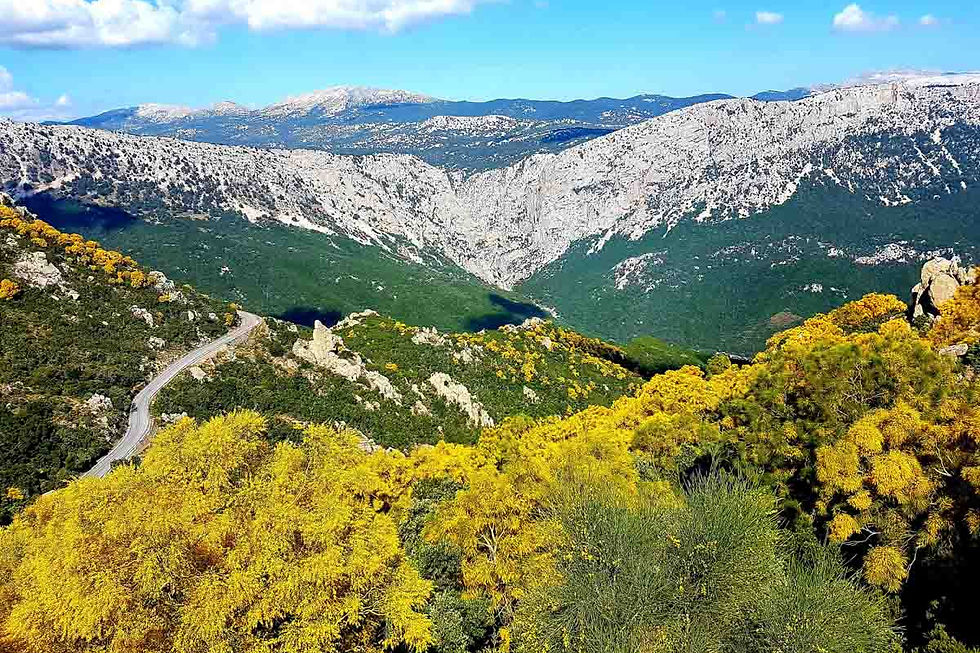
For travellers seeking the most authentic rural experiences, the Ogliastra region offers a remarkable journey into Sardinia’s pastoral traditions.
Located along the island’s eastern mountains, this remote area is home to family-run farms where culinary customs have remained unchanged for generations. Guests may be welcomed with elaborate multi-course meals featuring handmade pasta, slow-roasted meats, local cheeses and wines produced nearby.
These meals often extend for hours and include storytelling, music and traditional hospitality that reflects the deep pride Sardinians take in their food culture.

Southern Sardinia’s Olive Estates
Southern Sardinia is known for its vast olive groves and fertile agricultural landscapes. In recent years several olive estates have transformed into elegant culinary destinations centred on organic olive oil production.
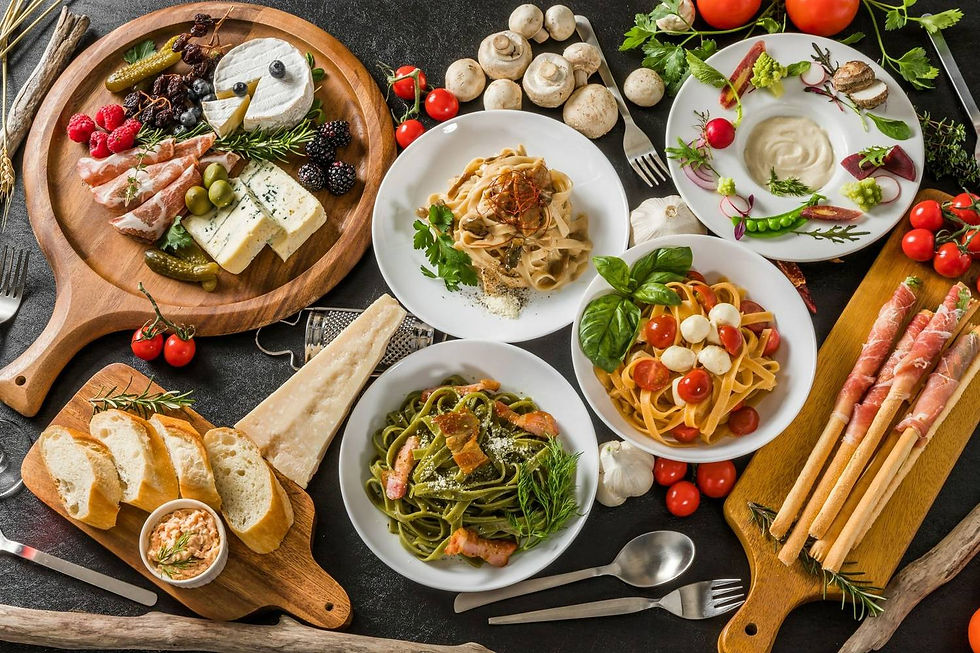
Visitors can tour groves that are centuries old, observe the olive pressing process and enjoy tasting experiences that highlight the subtle flavours of freshly produced oil. Many estates host outdoor dinners beneath ancient trees where seasonal produce and seafood from nearby coasts create vibrant Mediterranean menus.
Autumn olive harvests offer particularly memorable experiences for travellers interested in participating directly in Sardinia’s agricultural traditions.
Why Eco-Luxury Dining Is Transforming Sardinia’s Lifestyle Appeal
The growing popularity of eco-luxury farm-to-table experiences is influencing more than Sardinia’s tourism sector. It is also reshaping how international visitors perceive the island as a lifestyle destination.
Today’s affluent travellers are increasingly looking for destinations that offer both natural beauty and cultural depth. Sardinia delivers this balance through its combination of pristine coastline, historic villages and thriving agricultural traditions.
Farm-to-table dining reinforces the island’s authenticity. Rather than experiencing Sardinia solely through luxury resorts, visitors engage with the landscapes and communities that define local life.
This connection creates lasting emotional ties to the destination, which is one reason many travellers return repeatedly and eventually consider purchasing property on the island.
Several trends are emerging within Sardinia’s real estate market as a result:
Rural estates near coastal regions are gaining attention from international buyers seeking both privacy and access to culinary experiences.
Restored farmhouses and vineyards are increasingly being developed into boutique hospitality properties.
Sustainable architecture and organic land management are becoming key features of new luxury developments.
Compared with other Mediterranean destinations, Sardinia still offers significant opportunities for investors willing to explore beyond its most famous coastal enclaves.
The island’s countryside remains largely untouched by large-scale development, allowing visionary buyers to restore historic agricultural properties while preserving the landscapes that make them so attractive.
As global interest in sustainable travel continues to grow, these eco-luxury lifestyle investments are likely to become even more desirable.

Planning the Ultimate Farm-to-Table Journey
Travellers hoping to experience Sardinia’s eco-luxury culinary scene can enhance their visit with thoughtful planning.
Each season offers distinct flavours and opportunities connected to the island’s agricultural calendar.
Spring reveals Sardinia at its most vibrant, with wildflowers covering the countryside and fresh produce appearing in seasonal menus. It is an ideal time for garden-focused farm experiences and outdoor dining.
Summer combines coastal glamour with warm Mediterranean evenings perfect for vineyard terraces and seaside farm dinners.
Autumn is widely considered the most exciting season for food lovers. Grapes and olives are harvested across the island, vineyards host tastings and many farms offer guests the opportunity to participate in seasonal traditions.
Winter provides a quieter and more intimate side of Sardinia. Mountain farms serve hearty traditional dishes while rural retreats offer cosy culinary escapes far from the summer crowds.
To find the most authentic experiences, travellers should look for estates that grow their own produce, operate working farms and host small group dining experiences. Direct interaction with chefs, farmers and vineyard owners often indicates a truly immersive farm-to-table environment.
Combining coastal exploration with rural discovery creates the ideal Sardinian itinerary. Visitors can spend mornings sailing along the island’s legendary beaches before venturing inland for vineyard tastings or farmhouse dinners.
This seamless connection between sea and countryside is one of Sardinia’s most unique travel advantages.
Experience Sardinia with Warm Europe
Eco-luxury farm-to-table experiences are redefining Mediterranean travel by blending sustainability, gastronomy and refined hospitality. Sardinia stands at the forefront of this movement, offering travellers an extraordinary opportunity to experience authentic island life while enjoying world-class cuisine.
From intimate vineyard dinners overlooking the sea to traditional feasts in mountain farmhouses, Sardinia’s culinary landscape invites visitors to slow down and savour the true essence of Mediterranean living.
Warm Europe connects discerning travellers and investors with the region’s most inspiring coastal destinations and lifestyle opportunities. Through our digital magazine and curated booking platform, readers can discover exclusive properties, boutique agriturismo retreats and insider guides to Southern Europe’s most desirable locations.
Whether you are planning a luxury Sardinian escape or exploring investment opportunities in the Mediterranean, Warm Europe provides the insight and access needed to experience the region at its finest.
Subscribe to the Warm Europe magazine for expert travel inspiration and investment insights, or explore our booking platform to begin your journey into Sardinia’s world of eco-luxury, farm-to-table living and timeless Mediterranean elegance.
